
Most people associate acid reflux with heartburn, an upset stomach, or an uncomfortable burning sensation in their chest. But did you know that acid reflux can also affect your teeth?
You might not notice the damage right away, especially if you aren’t experiencing any pain.Understanding how acid reflux affects your oral health can help you recognize early warning signs and protect your smile from lasting damage!
How Does Acid Reflux Affect Your Teeth?
Acid reflux happens when stomach contents flow backward into the esophagus. For people who experience frequent reflux, sometimes called gastroesophageal reflux disease (GERD), stomach acid may travel far enough to reach the mouth.
Your tooth enamel is the hard outer layer that protects your teeth. Although enamel is the hardest substance in the human body, it is still vulnerable to acid. Stomach acid, When it repeatedly comes into contact with your teeth, can dissolve minerals in the enamel and gradually wear away the tooth’s protective surface. Dentists call this dental erosion.
Unlike a cavity, which develops when bacteria produce acids that damage the tooth, dental erosion happens when acids directly wear down the enamel.
And once enamel has been lost, your body cannot grow it back.
Signs That Acid Reflux May Be Damaging Your Teeth
Dental erosion often happens slowly, making it difficult to recognize without a dental exam.
Some common signs include:
- Increased tooth sensitivity: Hot, cold, or sweet foods may start causing discomfort as enamel wears away.
- Yellowing teeth: As enamel becomes thinner, the naturally yellow dentin underneath may become more visible.
- Rounded or worn tooth edges: Teeth may begin to look smoother, thinner, or slightly different in shape.
- Small dents or indentations: You might notice shallow, scooped-out areas on the chewing surfaces of your teeth.
- Chipped or weakened teeth: Teeth with substantial enamel loss can become more vulnerable to damage.
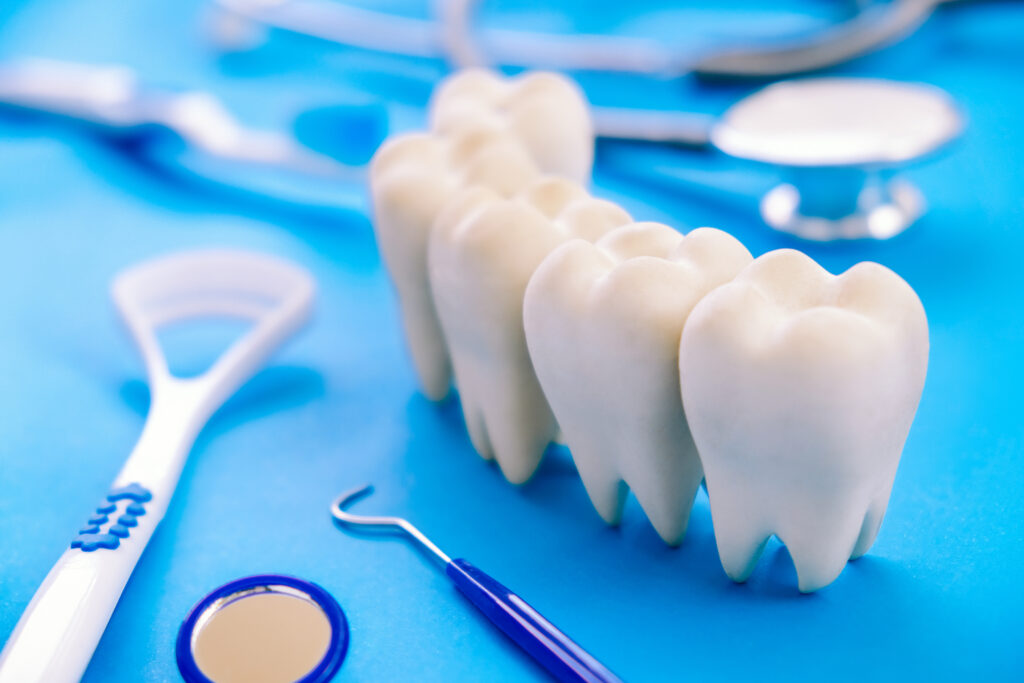 Can Acid Reflux Cause Cavities?
Acid reflux doesn’t cause cavities in quite the same way that bacteria do, but it can make your teeth more vulnerable to damage. Repeated exposure to stomach acid can weaken and thin your enamel. As that protective layer wears away, your teeth may become more susceptible to decay and sensitivity.
This is one reason regular dental exams are especially important for patients who experience frequent acid reflux.
Your dentist can look for changes in your enamel and help determine whether additional protection or treatment may be needed.
How to Protect Your Teeth From Acid Reflux
If you experience acid reflux, a few changes to your daily routine can help reduce the damage to your teeth.
- Rinse your mouth with water: After an episode of acid reflux, rinse your mouth with plain water. This helps wash away some of the acid and allows your saliva to begin neutralizing the remaining acidity.
- Don’t brush immediately after reflux: Your first instinct might be to brush your teeth to get rid of the unpleasant taste. However, brushing immediately after acid exposure can contribute to additional enamel wear. Instead, rinse with water and wait about an hour before brushing.
- Use fluoride toothpaste: Fluoride helps strengthen the enamel that remains and makes it more resistant to acid. Your dentist may also recommend additional fluoride treatments depending on the condition of your teeth.
- Pay attention to reflux triggers: Certain foods and drinks can make reflux symptoms worse for some people. Common triggers include coffee, alcohol, spicy foods, fatty meals, and acidic foods.
- Talk to your healthcare provider: Protecting your teeth is only part of managing acid reflux. If you experience frequent symptoms, talk with your primary care provider or a gastroenterologist about treatment options. Managing the reflux itself can help reduce continued acid exposure and prevent further damage to your teeth.
Can Teeth Damaged by Acid Reflux Be Repaired?
The answer depends on how much enamel has been lost. If erosion is caught early, your dentist may recommend fluoride treatments and changes to your oral care routine to help strengthen the remaining enamel and reduce further damage.
For more advanced erosion, restorative dental treatments may be necessary. Dental crowns may be recommended for teeth that have experienced more extensive wear or weakening.
The goal is to protect the remaining tooth structure, relieve sensitivity, and restore the function of your teeth when needed.
Protect Your Smile With Cincinnati Area Dentist
Acid reflux may seem like a problem that only affects your stomach, but your teeth can feel the effects, too.
If you’ve noticed increased tooth sensitivity, changes in the appearance of your teeth, or signs of enamel wear, don’t wait until the damage becomes more serious.
At Cincinnati Area Dentist, Dr. Ruchika Khetarpal and our team can examine your teeth for signs of dental erosion and recommend ways to protect your smile. Regular dental visits can help us catch changes early and address concerns before they lead to more extensive treatment.
Schedule an appointment with Cincinnati Area Dentist today and let us help you keep your teeth healthy for years to come.