


You probably know that brushing, flossing, and regular dental checkups are important for keeping your teeth healthy. But what about the little things you do throughout the day without thinking twice?
Some everyday habits can slowly wear down your enamel, weaken your teeth, or even cause chips and cracks. Here are five common habits that could be hurting your teeth and what you can do instead.
1. Chewing on Ice
Crunching on ice might seem harmless.
Unfortunately, ice is hard enough to damage your teeth, especially if you chew it regularly. The pressure from biting down on ice can cause tiny cracks in your enamel, chip a tooth, or damage existing fillings and crowns.
You might not notice a problem immediately, but repeated chewing can eventually lead to sensitivity or a broken tooth.
Try this instead: Enjoy your drinks with ice, but let it melt rather than chewing it. If you like having something to chew, try sugar-free gum. Frequent cravings to chew ice can sometimes be associated with iron deficiency, so mention persistent cravings to your healthcare provider.
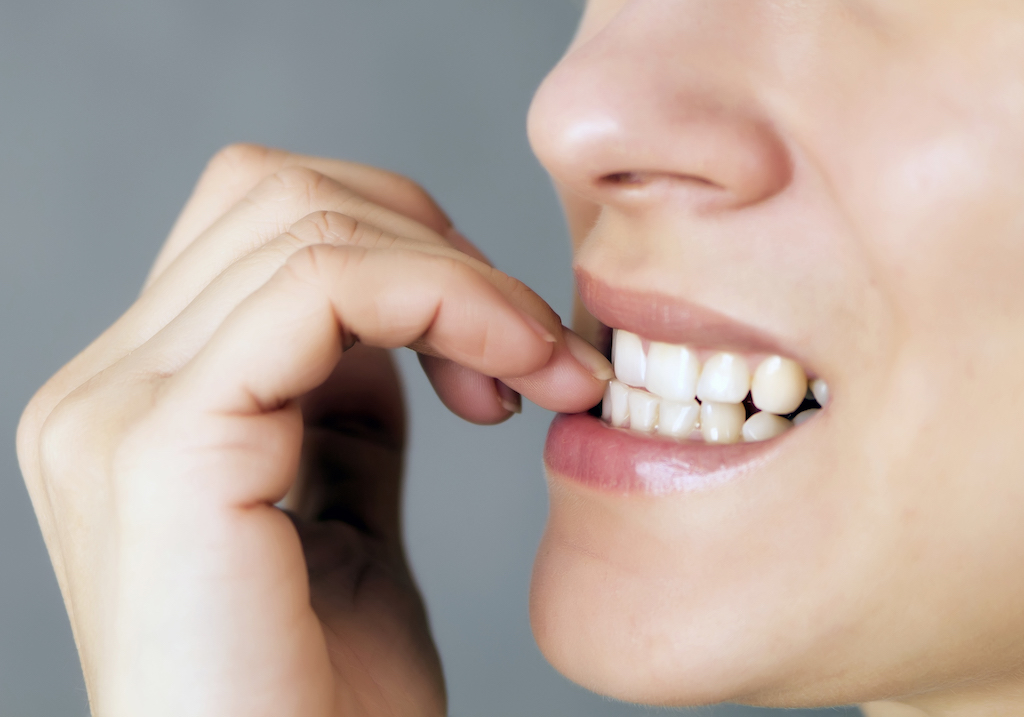
2. Biting Your Nails
Nail biting is a habit many people develop during childhood, but it can stick around well into adulthood. It’s especially common when you’re feeling nervous, bored, or stressed.
Your fingernails may seem soft compared to your teeth, but repeatedly biting them puts unnecessary pressure on your front teeth. Over time, this can contribute to small chips, worn edges, and jaw discomfort. Nail biting can also introduce bacteria from your hands into your mouth.
Try this instead: Keep your nails trimmed, use a bitter-tasting nail polish designed to discourage biting, or find another way to keep your hands busy when you notice the habit.
3. Using Your Teeth as Tools
We’ve all been tempted to use our teeth to open a stubborn package, tear off a clothing tag, or hold something when our hands are full. Your teeth are designed for chewing food, not opening packages or gripping household objects.
Using them as tools puts pressure on areas that aren’t meant to handle those forces. One wrong bite can leave you with a chipped tooth, cracked enamel, or damaged dental work. And unlike a broken fingernail, a chipped tooth won’t grow back.
Try this instead: Reach for scissors, a bottle opener, or the appropriate tool. Taking a few extra seconds is much easier than dealing with an unexpected dental appointment.
4. Frequently Drinking Acidic Beverages
Your morning coffee, afternoon soda, or favorite sparkling drink could be affecting your enamel, especially if you sip on it throughout the day.
Acidic beverages can gradually wear away tooth enamel through a process called dental erosion. Once enamel is lost, your body cannot replace it.
Some common acidic drinks include:
- Soda, including diet soda
- Sports and energy drinks
- Lemonade and citrus juices
- Wine
- Flavored sparkling waters containing acidic ingredients
The frequency of exposure matters. Sipping an acidic drink for several hours keeps your teeth exposed to acid longer than drinking it with a meal.nAs enamel wears away, your teeth may become more sensitive, appear yellow, or develop rough edges.
Try this instead: Drink water throughout the day, enjoy acidic beverages with meals when possible, and rinse your mouth with water afterward. Wait about an hour after acidic drinks before brushing to help avoid additional enamel wear.
5. Brushing Your Teeth Too Hard
Brushing your teeth is supposed to protect them, but applying too much pressure can do more harm than good.
Many people assume that brushing harder means getting their teeth cleaner. In reality, aggressive brushing can contribute to gum recession and wear near the gumline, particularly when combined with an abrasive toothpaste.
If your toothbrush bristles look flattened or frayed after only a short time, you may be brushing too aggressively.Other signs include increased tooth sensitivity, irritated gums, or notches developing near the base of your teeth.
Try this instead: Use a soft-bristled toothbrush and gentle, circular motions. Brush for two minutes, twice a day, using fluoride toothpaste. An electric toothbrush with a pressure sensor can also help you avoid pressing too hard.
Small Changes Can Help Protect Your Smile
You don’t have to completely change your daily routine to take better care of your teeth. Sometimes, simply recognizing a habit is enough to start making improvements.
The next time you catch yourself chewing ice, biting your nails, or using your teeth to open something, think about the unnecessary pressure you’re putting on your smile. And if you’ve noticed increased sensitivity, a chipped tooth, or changes in your gums, don’t ignore them. These can be early signs that something needs attention.
Keep Your Teeth Healthy With Cincinnati Area Dentist
At Cincinnati Area Dentist, Dr. Ruchika Khetarpal and our team want to help you keep your natural teeth healthy for years to come.
During your regular dental exams, we can check for signs of enamel wear, cracks, gum recession, and other problems that may be related to everyday habits. We’ll also offer practical advice to help you protect your teeth between appointments.
If you’re experiencing tooth sensitivity or it’s time for your next checkup, contact Cincinnati Area Dentist to schedule an appointment. We’re here to help you maintain a healthy, confident smile!